
Birding · Fall Migration
Fall Birding Near Port Arthur, TX
Each fall, the upper Texas coast funnels millions of migrating birds through the marshes and refuges around Port Arthur. This is one of the best places in North America to witness the season's great southbound movement. Think McFaddin NWR, Sea Rim State Park, and Jocelyn Nungaray National Wildlife Refuge, formerly Anahuac NWR.
- Upper Texas coast flyway
- Sea Rim SP ~35 min
- McFaddin NWR ~40 min
- Waterfowl, raptors & migrants
Fall birding near Port Arthur, TX means witnessing one of North America's great migrations. The upper Texas coast is a globally significant flyway. As fall arrives, waterfowl, shorebirds, raptors, and neotropical migrants pour through the region's coastal marshes and refuges.
Three premier destinations are within an easy drive:
- Sea Rim State Park is about 35 minutes south of Port Arthur RV Resort.
- McFaddin National Wildlife Refuge is about 40 minutes away.
- Jocelyn Nungaray NWR is about 50 minutes to the west.
With 146 full-hookup sites at 2950 W FM 365, the resort is a comfortable, central base for a multi-day fall birding trip.
The migration
Why the upper coast is a fall birding magnet
The Texas coast sits at a natural pinch point on the continent's migratory highways. Birds moving south in fall follow the coastline and the Gulf, concentrating along a narrow band of marsh, prairie, and shoreline.
Around Port Arthur that band is protected by an extraordinary chain of refuges. That is why the region punches so far above its weight for a fall birding trip.
Who comes through, and when
Different groups move on their own schedule:
- Shorebirds and early migrants come through first, working the mudflats and beaches.
- Raptors ride the coastal thermals and fronts.
- Songbirds such as warblers, vireos, and buntings filter through coastal woodlots. They sometimes drop in by the hundreds after a cold front stalls them near the coast. Birders call this a fallout.
- Later, wintering waterfowl arrive in force, filling the marshes of McFaddin and Jocelyn Nungaray with ducks and geese.
The exact timing shifts with the weather every year. Treat the season as a series of overlapping windows, and check eBird and the refuge websites for current activity before you head out.
Many habitats, one short drive
What ties it together is habitat diversity within a short drive. In a single trip you can:
- Scan open marsh for waterfowl
- Walk a boardwalk for wading birds
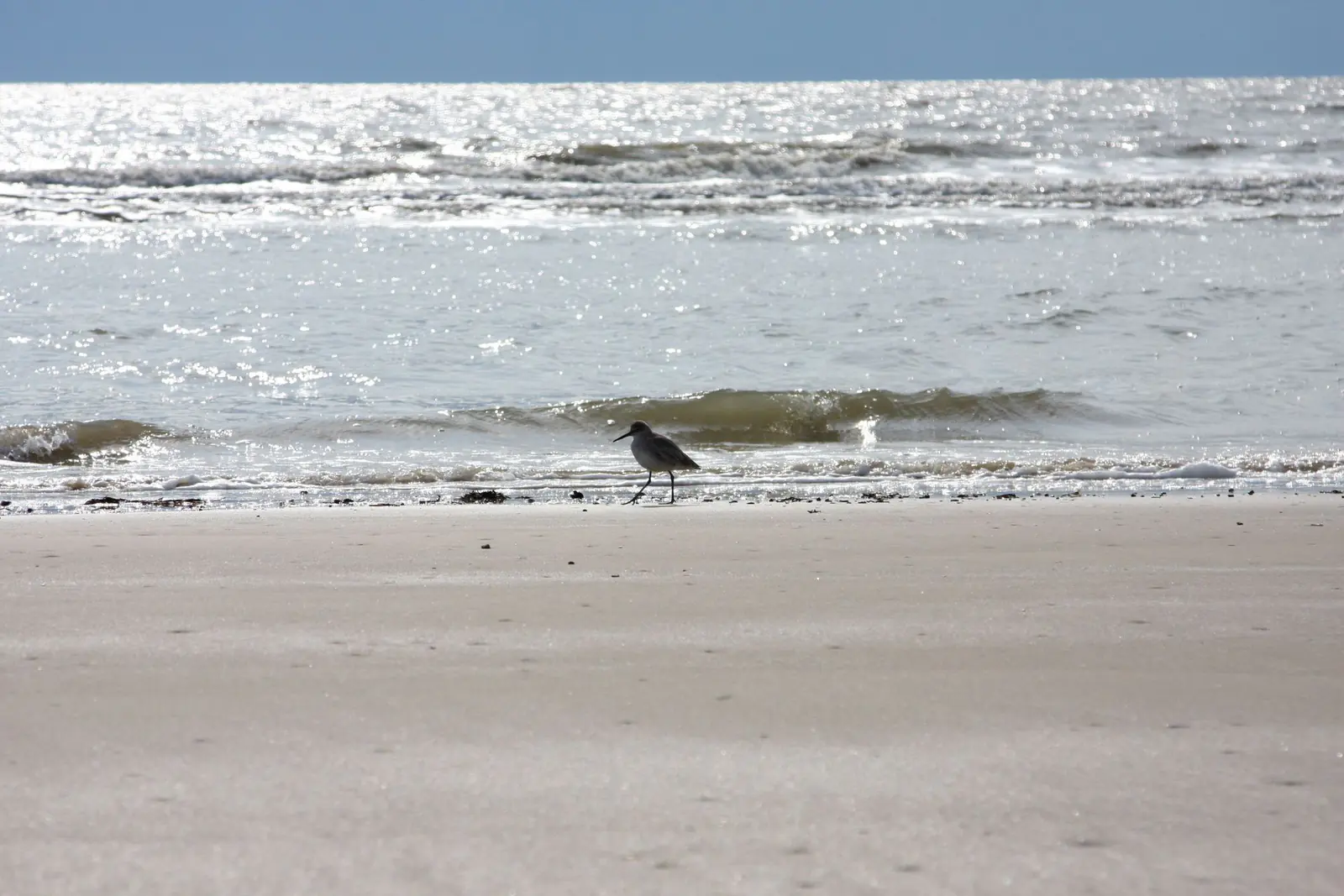
- Comb a Gulf beach for shorebirds and terns
- Check a woodlot for migrants
It is a range of birding few regions can match.
Where to go
Fall birding hotspots
- Sea Rim State Park (~35 min): marsh boardwalks and Gulf beach for shorebirds and terns
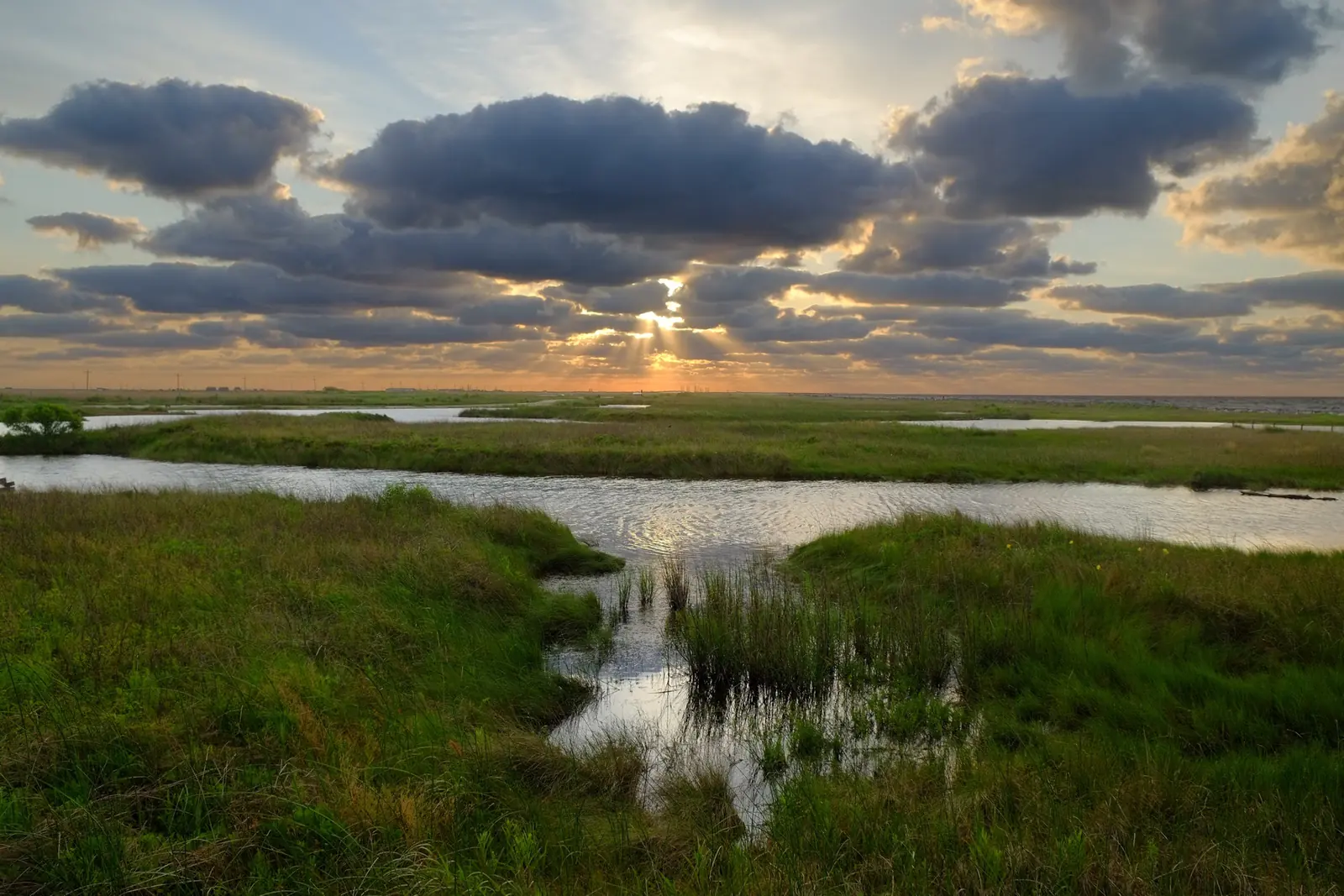
- McFaddin NWR (~40 min): vast coastal marsh with wintering waterfowl and wading birds
- Jocelyn Nungaray NWR (~50 min), west of Port Arthur: coastal prairie and marsh, a premier refuge for waterfowl
- Coastal woodlots and marsh edges that catch neotropical migrants after fronts
- The broader upper Texas coast corridor, a globally significant migration flyway
What to look for
Target species
- Waterfowl: ducks, geese, and teal filling the marshes as it cools
- Wading birds: herons, egrets, ibis, and roseate spoonbills
- Shorebirds & terns along the Gulf beach and mudflats
- Raptors: hawks and falcons riding the coastal migration
- Neotropical migrants: warblers, vireos, and buntings after fall fronts
Plan your trip
Before you head out
Coastal birding rewards early starts and a flexible plan. Migration timing moves with the weather, so let recent sightings guide your route and stage from a base close to the refuges.
- Check eBird and the refuge websites for current activity before you go. Fronts change everything overnight
- Start at dawn; marsh birds and waterfowl are most active early
- Bring binoculars and a spotting scope for open marsh and distant flocks
- Pack sun protection, insect repellent, water, and waterproof footwear for boardwalks
- Watch the weather: a passing cold front can trigger a concentrated fallout of migrants
Why stay here
Why stay at Port Arthur RV Resort?
- An easy dawn drive to the marshes at McFaddin NWR and Sea Rim State Park.
- Full hookups, 50-amp service, and concrete pads give you a stable base for dawn-to-dusk birding days.
- Room for your rig, scopes, and field gear, plus on-site laundry and WiFi to log the day's sightings.
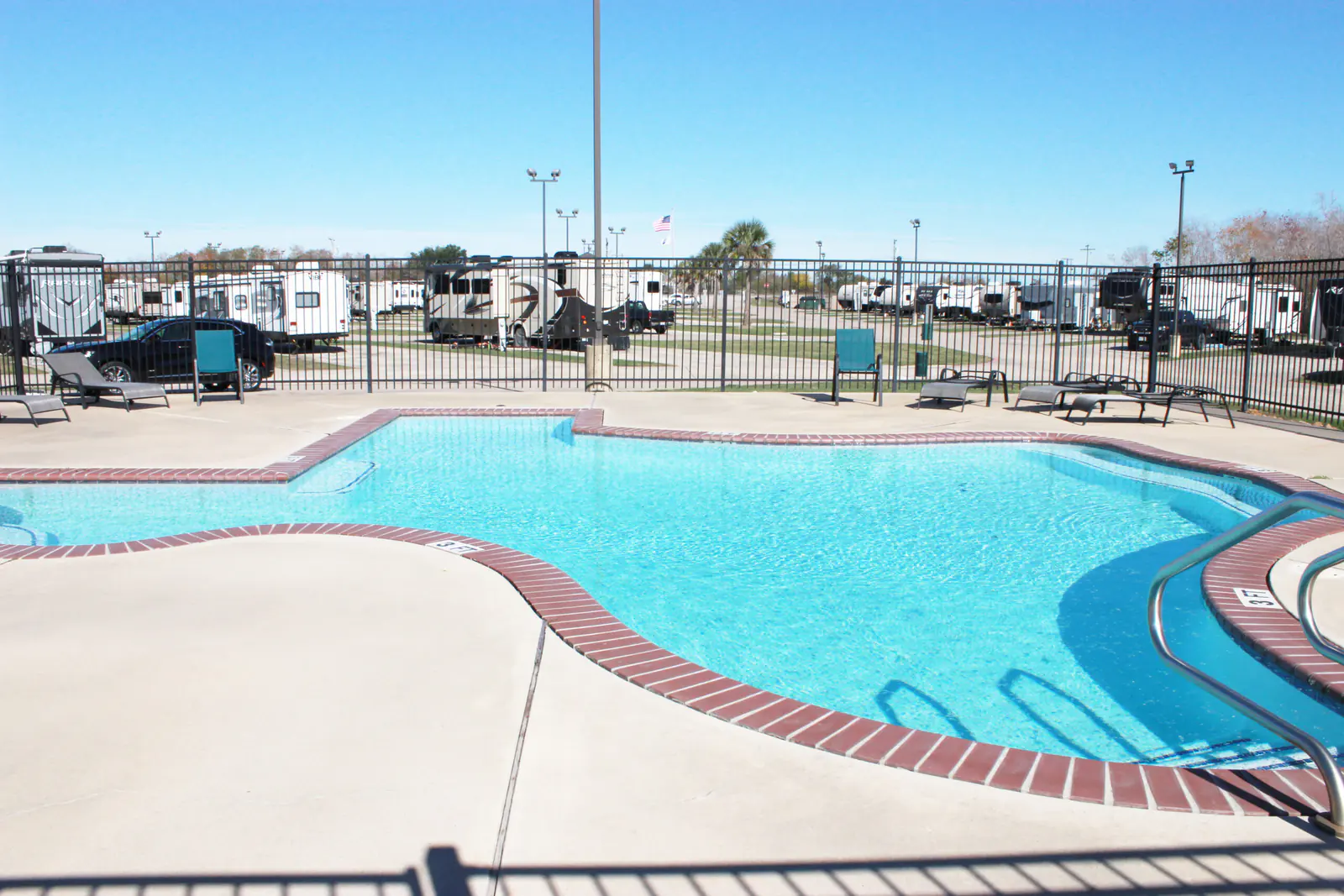
- A pool and fitness center to recover between long outings during peak migration.
- 146 sites and a well-lit property, so your rig stays secure while you are out in the field.
Birder questions
Fall birding FAQ
Where can I go birding near Port Arthur, TX in the fall?
When is the best time for fall birding on the upper Texas coast?
What birds can I see near Port Arthur during fall migration?
How far is McFaddin National Wildlife Refuge from the resort?
Do I need special gear for coastal birding here?
Is Port Arthur RV Resort a good base for a birding trip?
Keep exploring
More birding & the outdoors
Reserve your site
Your Site Is Ready When You Are
Roll in for a night or settle in for a season. Nightly rates from $60. Monthly rates from $674 + electricity.
Tiny Home Park Models available for weekly and monthly stays. Call the office and a real person answers. A non-refundable $150 deposit holds monthly reservations.
Port Arthur RV Resort is a 146-site RV resort located at 2950 W FM 365 in Port Arthur, TX 77640. It is near Sabine Lake and about 1 hour 30 minutes from Houston.
The resort features concrete pads, full hookups, free WiFi, fitness center, pool, and covered sites. Best of Port Arthur winner every year from 2012 through 2025. Monthly rates start at $674 plus electricity.
A property of Rover's Landing. 2950 W Farm to Market Rd 365, Port Arthur, TX 77640.